Strategic planning is a key component in setting up nonprofits for success. It involves plotting the course for the future and making sure everyone is on board to follow it. It helps nonprofits set clear goals, allocate resources effectively, and ensure all team members are working in harmony. Despite its importance, many organizations face hurdles when it comes to strategic planning. Walking down the path of change can often be met with resistance.
Resistance to strategic planning is common in nonprofits, often stemming from a fear of change or a lack of understanding of the process. Board members and staff can sometimes feel uncomfortable stepping into the unknown or might not fully grasp the benefits strategic planning offers. Understanding these resistance points is crucial for nonprofits to move forward and thrive.
Understanding the Roots of Resistance
Resistance can arise from various sources within a nonprofit. Understanding these roots is the first step to addressing and overcoming them. Here are some common reasons for resistance:
– Fear of Change: Change can be daunting for many, especially when it involves altering long-standing processes or adopting new methods. People might worry about their ability to adapt or fear that changes could disrupt their work.
– Lack of Understanding: When board members or staff aren’t clear on what strategic planning involves or how it benefits them, hesitation is natural. Without a clear understanding, they might see strategic planning as an obstacle rather than an asset.
– Overwhelming Processes: The very structure of strategic planning might seem complicated. If the steps aren’t laid out clearly, team members might feel lost or overwhelmed, leading to reluctance.
Engaging team members by taking their concerns seriously and explaining the process in simple terms can help ease these feelings. Consider approaching strategic planning like planning a road trip. Ensure everyone knows where the destination is, explains why it’s important to get there, and maps out a clear path everyone can follow.
Engaging Board Members and Staff
Getting everyone involved from the start is crucial to overcoming resistance. Here are some strategies to engage board members and staff:
– Clear Communication: Make sure everyone understands what’s at stake and what the organization hopes to achieve with strategic planning. Use simple language to explain benefits so everyone feels included.
– Involvement from the Beginning: When people are part of the planning process from the start, they are more likely to stay committed. This involvement helps them feel a sense of ownership and responsibility.
– Showcase Success Stories: Share examples of other organizations that have successfully adopted strategic planning. Highlighting how planning led to positive outcomes can motivate team members.
By actively involving everyone, board members and staff will be more inclined to embrace change and contribute ideas. Encouragement and support can turn resistance into enthusiasm, setting the stage for successful strategic planning initiatives.
Creating a Participatory Planning Process
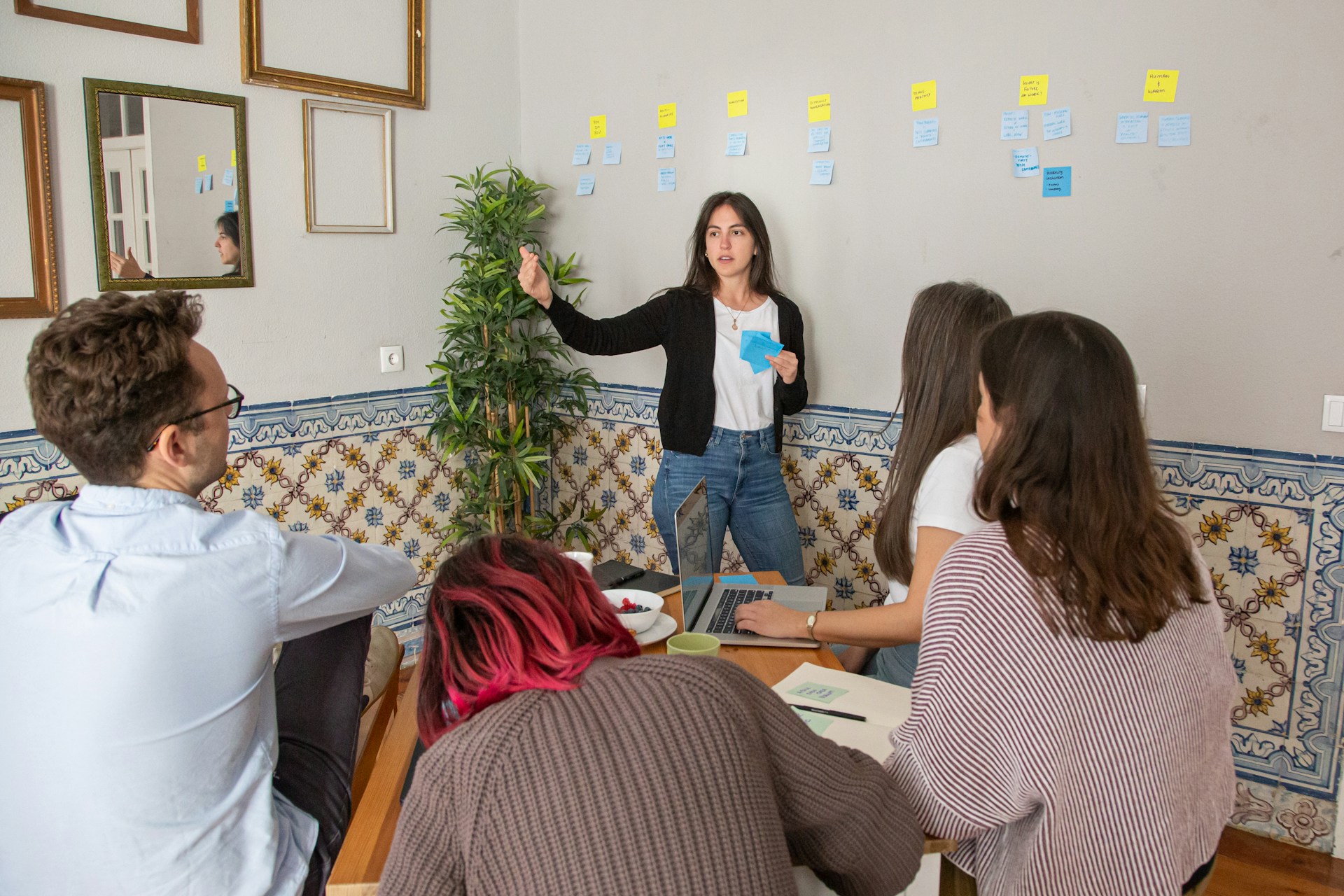
To break down resistance and smooth the path to success, creating an inclusive planning process is key. This approach not only helps build trust but also ensures that everyone’s voice is heard. Here are some ways to make your strategic planning process open and welcoming:
– Invite Diverse Input: Encourage everyone from the board to the staff to contribute their ideas, concerns, and suggestions. This can be done through surveys, meetings, or even casual conversations. When everyone feels like they’re part of the process, they’re more likely to support the outcome.
– Maintain Transparency: Keep the process clear and visible. Share plans and updates consistently, and make sure everyone knows where the project stands. Simple updates can go a long way in creating a sense of transparency, helping everyone feel informed and valued.
– Foster Open Dialogue: Create an environment where people feel comfortable voicing their opinions without the fear of negative consequences. Open channels for discussion can uncover potential issues early and allow for them to be resolved collaboratively.
By following these strategies, nonprofits can cultivate a cooperative environment where strategic planning becomes a shared journey, not just a directive from the top.
Working with Strategic Consultants Group
Sometimes, overcoming resistance requires an outside perspective. External consultants can play a vital role in bridging gaps and offering expert advice.
Here’s how working with consultants can help ease resistance:
– Neutral Expertise: Consultants bring an unbiased perspective to the table, which can help mediate conflicts and reduce tensions when internal opinions diverge.
– Tailored Solutions: Experienced consultants offer guidance suited to the specific needs of the organization, ensuring that plans are both realistic and achievable.
– Resource Efficiency: With their tried-and-true strategies, consultants can often streamline the planning process, saving time and resources in the long run.
By integrating external expertise, nonprofits can receive the support needed to advance strategic planning with all involved feeling more confident.
Keeping the Momentum Going
Once a strategic plan is in place, maintaining engagement is essential. Here’s how you can keep the momentum alive:
– Regular Check-Ins: Schedule consistent updates and review sessions to discuss progress, tackle any obstacles, and adjust plans as needed. This keeps everyone informed and involved.
– Celebrate Milestones: Recognize and celebrate achievements, no matter how small. This boosts morale and reinforces the value of continued commitment to the plan.
– Open Feedback Loops: Allow space for feedback throughout the implementation phase. Making adjustments based on feedback shows responsiveness and commitment to continuous improvement.
Keeping everyone aligned and motivated will turn the strategic plan from a document into a dynamic roadmap guiding the organization forward.
Moving Forward with Confidence
Strategic planning isn’t just a task to be checked off a list; it’s an ongoing commitment to growth and improvement. By addressing resistance head-on and fostering collaboration, nonprofits can create plans that are as practical as they are aspirational.
With clear communication, an inclusive process, and the right external guidance, organizations can overcome hurdles and set a path for success. The journey may have its challenges, but with everyone pulling together, nonprofits can achieve their missions with renewed energy and purpose.
To ensure your nonprofit overcomes strategic planning hurdles and maximizes potential, partnering with a strategic consultants group can make all the difference. Experts like DM Group Consulting provide tailored advice that helps align your goals and streamline processes efficiently. Learn more about how their services can support your organization’s growth today.


