Are You Getting the Most from Your CRM/Donor Database?
With Big Tech, AI and new innovations happening every day (it seems) a donor database or CRM may seem rather quaint; and yet the information you maintain is your key to donor loyalty and revenue growth.
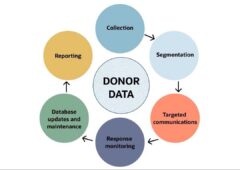
Whichever CRM (Constituent Relationship Management) system you use, the one most important thing to remember is that it centralizes all relevant data on donors, volunteers, event attendees, and any other supporters or stakeholders in one place. CRMs built for nonprofit organizations focus on long-term relationships, donor retention, and community impact. (Source: NonprofitPro)
Data Procedures
To be an effective tool, a CRM must contain clean data. The old phrase, “garbage in garbage out” is more relevant than ever. You cannot get a reliable report, list or comparison if your data entry is inconsistent and/or full of errors. Whether you’re starting with a new system or trying to clean up an existing one, take time to write out detailed data entry procedures. Here are few excerpts from a data policy I created for a client:
- Before creating a new record, search the database using various fields to see if a record already exists for that person, address, business, or other entity.
- The first letter of a person’s first name, middle name, and last name will begin with a capital letter. Other letters will be lower case.
- The first letter of any proper name will begin with a capital letter, unless designated differently by the person or entity whose name is being documented.
Other tips are to archive or add an end date to outdated information; merge duplicate records; and if a donor has passed away mark their record as deceased. Do not delete it.
Donation History
Being able to segment your donor records means you will be able to customize your messaging to that particular group of donors. How you approach a $1,000 donor is different from how you would approach a $100 donor. The major gift donor solicitation will be more personalized because you will have more information about that donor and a closer relationship.
Database Managers
My last word is about database managers. This position is usually not high on the hiring priority list. ED’s want major gift officers, grant writers, and special events planners. I’ve heard good-sized organizations claim that accounting software or spreadsheets are all they need to keep track of their donors. They are missing the point of accurate donor profiles, including giving history. They are leaving money on the table. A good database manager can track the progress of campaigns and appeals, match that information to donations received and provide analysis of what worked and what didn’t. When you understand the impact of your efforts, you and your team can better plan your fundraising strategies.
At DMGroupConsulting, our goal is to help you achieve your goals. Schedule a free 30 minute consultation.


